
Can You Whiten Your Teeth After Braces?

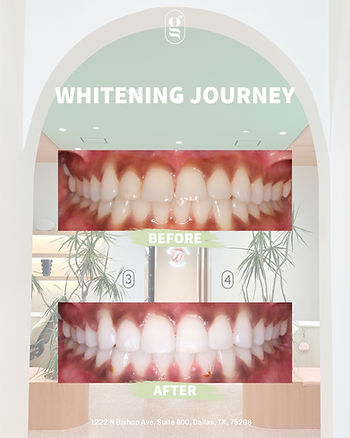
Short answer: yes, and it’s one of the best ways to celebrate the finish line.
If you or your child just got braces off, you’re probably staring at a straighter smile and wondering, “Could it be a little brighter, too?” Great news: whitening after braces is not only safe for most patients, it’s often the perfect finishing touch. Here’s what to know about timing, options, and how to get a result you’ll love.
Why Teeth Can Look Uneven After Braces
Braces do an incredible job of moving teeth into place. But the brackets themselves cover part of each tooth for months or even years. When they come off, you may notice:
Slightly different shades across the same tooth. The area under the bracket stayed protected, while the surrounding enamel was exposed to coffee, tea, soda, and everyday life.
Faint white spots (decalcification) where plaque built up around brackets.
General dullness from stains that were hard to brush away while wearing braces.
None of this means anything went wrong. It’s very common, and it’s very fixable.
Is It Safe to Whiten After Braces?
Yes. Once your braces are off and your teeth and gums are healthy, professional whitening is generally safe. Whitening works on the enamel surface, and it does not undo or affect your orthodontic results. Your teeth won’t shift because of whitening.
That said, a few things are worth checking first:
Healthy gums. After braces, gums can be a little tender or swollen. Whitening gel on irritated gums is uncomfortable, so it’s smart to let them settle.
No cavities or active decay. Any needed dental work should be done before whitening, since whitening won’t change the color of fillings.
A professional cleaning. Removing plaque and tartar first lets whitening work more evenly.
How Long Should You Wait?
Many dentists suggest waiting a couple of weeks after your braces come off. That gives your gums time to calm down and your enamel time to settle after the bonding material is polished away. Your orthodontist or dentist can tell you the right timing for your smile.
Why You Shouldn’t Whiten During Braces
It’s tempting to start early, but whitening while brackets are on usually leads to uneven results. The gel can’t reach the enamel under the brackets, so once they’re removed, you can end up with squares of darker color where the hardware used to be. Waiting means you whiten the whole tooth at once and get a smooth, consistent shade.
Your Whitening Options
1. Professional in-office whitening. This is the fastest route. A dental professional applies a stronger whitening gel in a single visit while protecting your gums. It’s a great fit if you want a noticeable change quickly, like before graduation, a wedding, or school photos.
2. Custom take-home trays. Trays are made to fit your teeth exactly, so the gel stays where it belongs. You wear them for a set amount of time at home, usually over a few days to a couple of weeks. This approach tends to be gentler and gives you easy control over how white you go.
3. Over-the-counter strips and toothpastes. These can help with mild surface stains and are budget-friendly. Results are usually more modest and less even than custom options, so it’s worth asking your dentist which product they recommend.
What About Retainers?
Retainers are a big part of keeping your new smile in place, so let’s clear up a few common questions.
Whitening trays and retainers are not the same thing. Don’t put whitening gel in your retainer. Retainers aren’t designed for that, and the fit won’t hold gel evenly against your teeth.
Bonded (permanent) retainers are thin wires attached behind your front teeth. Whitening won’t change the color of the bonding material, and the teeth right around the wire can be harder to whiten evenly. Let your provider know you have one so they can plan around it.
Keep wearing your retainer as directed. Whitening doesn’t replace it. Your retainer is what protects the straight smile you worked so hard for.
What About White Spots?
If you notice chalky white spots after your braces come off, don’t panic. They happen when enamel loses minerals under plaque, and they’re more common in people who found it hard to brush around brackets.
Here’s the part that surprises many patients: whitening can make these spots look more noticeable at first, because the surrounding enamel gets brighter while the spots stay put. Often they blend in as teeth rehydrate and with time, but if they linger, your dentist has gentle options to help, such as remineralizing treatments or minimally invasive procedures that blend the spots with the rest of the tooth. This is another reason a quick check-in before whitening is worthwhile.
Managing Sensitivity
Some people feel temporary sensitivity during or after whitening, especially right after braces when enamel may feel a bit more tender. A few easy ways to keep it comfortable:
Use a toothpaste made for sensitive teeth in the weeks before and after whitening.
Take breaks between sessions if you’re using a take-home system.
Skip very hot or very cold foods and drinks for a day or two after treatment.
Tell your provider if anything feels uncomfortable. They can adjust the strength or schedule.
Sensitivity is usually mild and goes away on its own.
Keeping Your Results Bright
A whiter smile is easier to maintain than you might think:
Brush twice a day and floss daily. Now that the brackets are gone, it’s so much easier.
Rinse with water after coffee, tea, red wine, or dark sodas, or enjoy them through a straw.
Keep up with regular cleanings. They remove surface stains before they settle in.
Plan the occasional touch-up. A short round of at-home whitening every so often keeps things fresh.
Wear your retainer. It protects your alignment so your brighter smile stays beautifully straight.
Quick Answers to Common Questions
Can teens whiten after braces? Often, yes, once all permanent teeth have come in and the gums are healthy. A dental professional can confirm whether it’s a good time.
Will whitening hurt my teeth? When done correctly and under professional guidance, whitening is considered safe for healthy enamel.
Will whitening change my veneers, crowns, or fillings? No. These materials don’t respond to whitening, so your dentist will plan around them.
Can I whiten if I have clear aligners instead of braces? Often yes, but timing and method depend on your treatment plan, so ask your provider.
The Bottom Line
Yes, you can absolutely whiten your teeth after braces. Wait until your braces are off and your gums have settled, get a quick check-up and cleaning, then choose the whitening option that fits your goals and budget. With a little planning, you’ll finish with a smile that’s both straight and bright.
Ready to Take the Next Step?
Whether you’re about to finish treatment or you’re wondering what comes next, we’d love to help you plan the perfect finishing touch. With evening and weekend appointments and simple online scheduling, getting started is easy. Reach out today to schedule your visit.


